Shop
Body Art News

When Tattoos Become a Political Rorschach Test

PP

Chief Engineer

Patrick Poli

Journal Date

2026-09-06

Last Reviewed

2026-10-08

Nancy Mace’s Arm Tattoos Broke the Internet, Not Her Skin

When Tattoos Become a Political Rorschach Test
Infographic: When Tattoos Become a Political Rorschach Test

Key Takeaways:
» Visible tattoos on a sitting U.S. congresswoman triggered a culture war, not a medical scandal.
» The real issue is workplace stigma and “professionalism” myths, not ink safety.
» Tattoo risk is about equipment, pigment chemistry, and healing, not whether the wearer is a politician.
» Studios should expect more high‑profile, highly scrutinized clients and tighten traceability and aftercare communication.
» Clients should choose studios on sterility, pigment standards, and documentation, not social media outrage.

1. What Actually Happened: Tattoos, Politics, and Projection

A U.S. Representative, Nancy Mace of South Carolina, appeared on her own YouTube show with both arms visibly tattooed, birds, flowers, religious imagery, and the word “Justice”, and the internet immediately lost structural integrity. Screenshots from her Get MACED episodes spun across X, Reddit, and Instagram, triggering everything from “is this real?” debates to full‑blown moral panic about a lawmaker with sleeves. Fact‑checkers stepped in to confirm the tattoos are authentic, not AI or filters, using her own posted videos and profile photos as primary proof, and classed the claim “true” once they verified consistency across dates and platforms via archived content and frame‑by‑frame comparison in their investigation.

What followed wasn’t a medical discussion about tattoo safety. It was a culture war about who is “allowed” to look tattooed while in office. Comment threads clustered around whether visible ink undermines professionalism, whether “Justice” on the arm signals political branding, and whether she was “branded” to appeal to younger voters. None of this changes the fact that, clinically, these are conventional dermal pigment deposits done with standard machines and needles, healed under normal conditions, and sitting in the same epidermal/dermal interface as every other modern tattoo. If you care about the body, the interesting story isn’t “politician has tattoos.” It’s “the whole internet still doesn’t understand how safe tattooing is actually determined.”

We saw the same disconnect in earlier viral panics over alleged “symbolic” tattoos on celebrities, where speculative claims about occult branding flew without any evidence linking the artwork to adverse health outcomes or coercive practice. Whether the tattoo sits on a musician’s neck or a congresswoman’s forearm, the ink behavior is governed by needle geometry, pigment chemistry, and immune response, not conspiracy. The science doesn’t care about party affiliation.

2. The Real Risk Profile: Ink, Needles, and Workplace Stigma

Let’s strip the politics off and look at the body. A modern arm tattoo like Mace’s lives or dies on three things: needle configuration and taper, pigment formulation, and studio sterility and aftercare. The outrage machine fixated on meanings and optics; nothing in the viral discourse asked whether the artist used single‑use, EO‑sterilized needles, documented pigment batch numbers, or respected patch‑test protocols.

From an engineering standpoint, the relationship between needle taper angle and dermal cellular regeneration speed determines how quickly macrophages and fibroblasts can recapture displaced pigment and rebuild the collagen lattice without scarring or blowout, which I break down in detail in the piece on the needle geometry driving dermal recovery and trauma patterns. A well‑built tattoo like these sleeves is almost certainly using long‑taper groupings that minimize shear damage while still delivering uniform pigment, producing a clean heal with stable lines and gradients.

Clients and commentators, however, mostly worry about “professionalism”: will visible tattoos cost you your job? That’s a social risk, not a physiological one. Compare the two side by side:

FeatureMedical / Technical RiskWorkplace / Social Risk
Primary concernInfection, allergic reaction, scarring, ink migrationHiring bias, credibility perception, voter or customer reaction
Main driverSterility, pigment chemistry, needle techniqueEmployer culture, industry norms, media framing
Evidence baseClinical case reports, toxicology, histologyHR policies, surveys, anecdote
MitigationReputable studio, documented pigments, proper aftercareReading the room, dress code negotiation, role fit
Who controls itArtist and client togetherEmployer, audience, broader culture

The hysteria around Mace’s tattoos treats the social column as if it were the medical one. You can disagree with a politician’s policies without inventing health risks for their skin. From a studio perspective, though, this sort of spotlight should be a wake‑up call: if you tattoo public figures, your paper trail and technical competence need to survive scrutiny more intense than the average walk‑in appointment. That means logged pigment lots, sterilization records, and clear aftercare instructions that would make sense even if they end up quoted in the news.

If your practice is already compliant with emerging pigment restrictions and biocompatibility standards, you’re in a stronger position should regulatory attention suddenly land on your work, the way it did on ink suppliers when regional authorities started inspecting for banned colorants and undeclared admixtures, as discussed in the analysis of Karnataka’s tattoo ink crackdown and the studio fixes it forced.

3. Technical Deep Dive: What Matters Clinically, Not Culturally

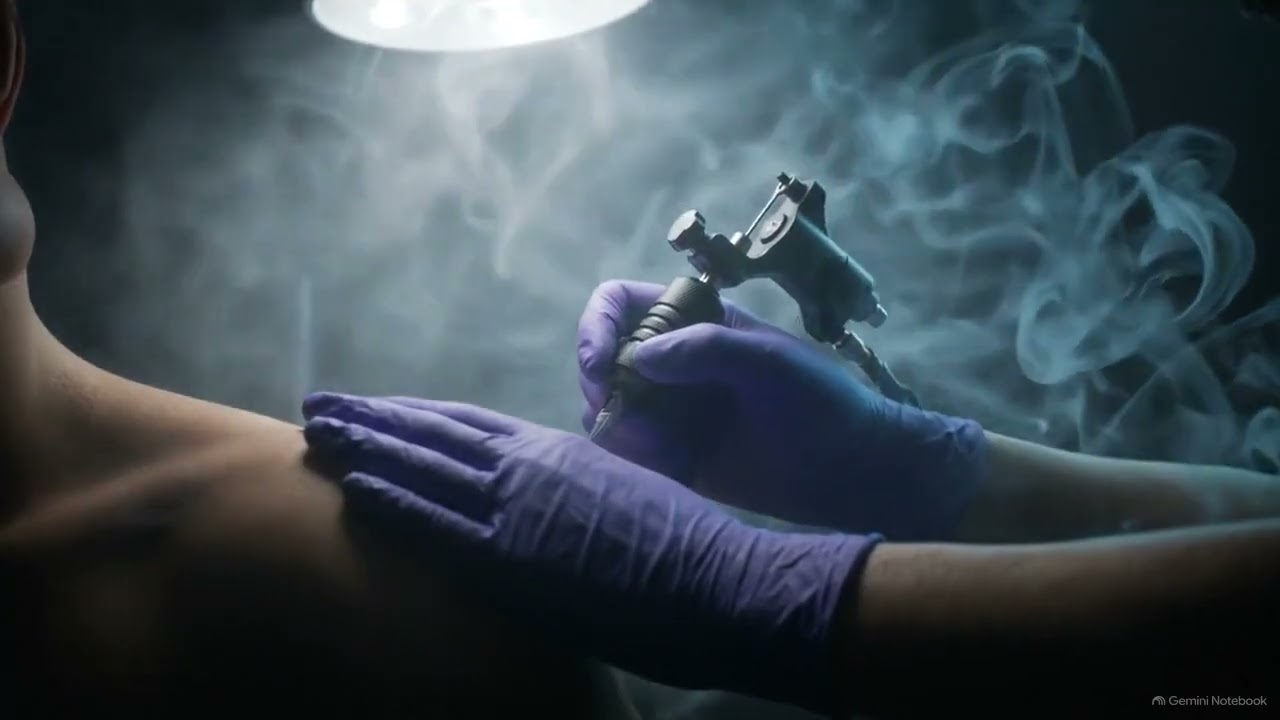
Strip the commentary away, and a half‑sleeve is a repeatable engineering problem: deliver pigment into the upper dermis in a controlled volume, using sterile equipment and biocompatible inks, while keeping total trauma low enough that the body can resolve it without scarring.

On the pigment side, current European and state‑level rules are closing in on specific limits: phthalates, potential PAH contaminants, and certain azo dyes are either banned outright or capped in the low ppm range, often below 1,000 ppm (0.1%) for substances classed as SVHC under REACH‑type frameworks. In practice, that means reputable ink lines have pivoted to pigment sets that can document heavy metal content in the single‑digit ppm range for cadmium, lead, and nickel, and demonstrate that carrier solvents are cosmetic or medical grade, with residual monomer limits in similarly tight bands.

From the studio’s viewpoint, the numbers matter because they decide where your liability sits when a client with a public profile returns later with inflammation or hypersensitivity. If your pigment supplier can show lab data consistent with stricter interpretations of SCCS opinions on tattoo and permanent makeup, you can defend your choice; if you’re using off‑book imports with no spec sheet, you can’t. The same logic applies to jewelry when a tattoo client later decides to add piercings to match their aesthetic, as with mouth or cartilage work where rigid metal can damage teeth or sleep patterns and BioFlex® offers a different mechanical behavior. The whole drama around “temporary use only” labeling on polymers is a regulatory artefact, written around thermoplastic polyurethane behavior and lazily applied to PP‑R copolymers that don’t share the same leaching profile, as dissected in depth in the piece on phthalates and the new EU test methods that quietly changed body art materials.

Needle systems are just as quantifiable. A typical shading setup here would use long‑taper magnum cartridges, with tip geometry optimized so penetration depth hovers around the 1–2 mm window into the dermis. Go shallower, and the ink sits too close to the epidermis, leading to premature loss as skin turns over; go deeper, and you risk blowout as pigment migrates along fascial planes. Modern cartridges include membrane systems that prevent backflow into the machine, cutting cross‑contamination probabilities dramatically versus older open‑system tubes. These are quiet details, but they’re the difference between “politician has a tattoo” and “artist can stand in front of a health board and explain exactly how this was done.”

For studios, the implication is simple: expect more clients whose skin will be politicized, and build your technical documentation so it can survive that lens. For clients, the implication is even simpler: ignore the outrage and vet your artists on equipment, pigment traceability, and aftercare clarity, not on whether their other clients are famous.

4. Patrick's Note: The Spec That Lies

The part that keeps repeating in my head this week isn’t the tattoos themselves; it’s the way the conversation never touches the spec sheet. People will spend three days arguing about whether a word on someone’s arm makes them “unprofessional,” and never once ask what was in the bottles on the workstation, or whether the batch numbers match the invoice when a regulator comes calling.

My advice, if you are the person holding the machine or the receiving tube, is brutally simple: live in the data, not the discourse. Know your pigments to the ppm. Know your needle tapers well enough to explain why you chose them. Document every sterilization cycle like someone unfriendly will one day read it. When public figures walk into your studio, they bring the culture war with them. Your job is to make sure that, when the shouting starts, your work is the calm, boring part of the story, the part where every spec line means exactly what it claims.

5. FAQ: Technical Q&A

Q: Are visible tattoos on professionals, like politicians or doctors, considered “riskier” from a health perspective?
No. The visibility of a tattoo has zero impact on its medical risk. What matters is sterility, pigment chemistry, and needle technique. A well‑executed sleeve on a congresswoman is biologically identical to a well‑executed sleeve on a barista; the immune system doesn’t care about job title.

Q: Does political or media scrutiny change how studios should handle high‑profile clients?
Yes, not in the ink, but in the paperwork. For public figures, you should be obsessive about documented consent, pigment batch numbers, sterilization logs, and aftercare instructions. If that person’s skin becomes a headline, you want to be able to show, line by line, that your process meets or exceeds current regulatory and clinical expectations.

Q: With tightening regulations on inks and materials, what’s the single most important step a studio can take right now?
Standardize your supply chain and documentation. Use pigments and jewelry with clear, audited specs, keep copies of every safety data sheet, and log lot numbers on client records. That way, when regional authorities or health boards shift rules, like they did in crackdowns on non‑compliant inks, you can quickly show that your studio already aligns with safer, lower‑contaminant materials instead of scrambling after the fact.

Conclusion: Make the Work Boring, Make the Specs Precise

The internet turned Nancy Mace’s arm tattoos into a litmus test for politics and professionalism, but from inside a studio, it should read as a litmus test for how seriously we take technical accountability. The safest response to cultural noise is clinical precision: documented inks, known ppm limits, clean needle geometry, and records robust enough to explain your choices to anyone from a client’s dermatologist to a city health inspector.

If you keep your focus on what ink does in tissue and what materials do against living cells, you can let the culture fight over meanings while your work quietly holds up under a microscope. For a deeper look at how regulatory mislabelling and material confusion created a mess around flexible jewelry, and how the right data clears it, read the breakdown of phthalate test methods and how they silently raised the bar for body art materials.

Mind map · When Tattoos Become a Political Rorschach Test

  • Political Rorschach of Tattoos
    • Political Backlash and Social Controversy

      Representative Nancy Mace and defense secretary Pete Hegseth faced intense public controversy and media backlash over their visible symbolic tattoos.

      • Nancy Mace Sleeves
        • Personal trauma response
        • Mrs. Dalloway quote
      • Pete Hegseth Controversy
        • Arabic tattoo backlash
    • Professional and Hiring Discrimination

      Job applicants with visible tattoos face hiring discrimination, lower starting salaries, and persistent negative stereotypes from hiring managers.

      • Hiring and Selection Bias
        • Fewer job offers
      • The Tattoo Penalty
        • Lower starting salary
    • Technical Ink Safety Regulations

      European REACH safety regulations banned specific pigments like Pigment Blue 15:3 and Pigment Green 7 to protect consumer health.

      • REACH Regulations
      • Labeling Inaccuracies
      • Compliance Debates
    • Studio Safety and Public Health

      State and local governments mitigate medical dangers of tattooing through strict operational protocols, sterilization, and mandatory facility licensing.

      • Model Code
      • Sterilization Protocols
      • Informed Consent
StructureProcessMaterialHazard

4 branches, 0 sources. Each branch cites the article it came from; the labels beneath it are names, not claims.

Tattoo Quiz

  1. 1. From an engineering standpoint, what technical factor governs how rapidly macrophages and fibroblasts recapture pigment without causing blowout or scarring?

    • ✓ The relationship between needle taper angle and dermal cellular regeneration speed. — Long-taper groupings minimize shear damage during penetration, enabling dermal cells to efficiently rebuild the collagen lattice around deposited ink.
    • • The ratio of carrier solvent volume to heavy metal concentration. — Solvent proportions control ink fluid dynamics rather than the mechanical trauma and cellular recovery rate of dermal tissue.
    • • The shedding rate of epidermal cells during the initial 48 hours. — Epidermal shedding removes surface ink residue but does not drive dermal fibroblast recruitment or collagen reconstruction.
    • • The operational voltage applied to the rotary motor during shading. — Machine voltage regulates stroke speed and needle frequency rather than the biological healing mechanism of dermal cells.
  2. 2. Under REACH-type frameworks, what is the specific regulatory concentration threshold for Substances of Very High Concern (SVHC) in tattoo inks?

    • ✓ Capped in the low ppm range, often below 1,000 ppm (0.1%). — European and modern state standards enforce strict upper boundaries under 1,000 ppm for targeted SVHC compounds such as specific azo dyes.
    • • Restricted to single-digit ppb levels across all pigment formulations. — Single-digit parts per billion represents an ultra-trace standard not applied to general organic pigment caps in tattoo inks.
    • • Capped at a maximum allowance of 5 percent of total batch mass. — A five percent concentration threshold equals 50,000 ppm, which far exceeds permitted chemical safety caps for restricted colorants.
    • • Unrestricted provided that heavy metal impurities remain undetected. — SVHC restrictions apply strictly to specific organic compounds and phthalates regardless of heavy metal test outcomes.
  3. 3. What penetration depth into the skin must a tattoo needle maintain to achieve stable retention while preventing blowout?

    • ✓ 1 to 2 mm into the upper dermis. — Targeting the 1 to 2 mm dermal layer places pigment deep enough to avoid epidermal shedding while remaining above fascial planes.
    • • 0.1 to 0.4 mm into the stratum corneum. — Penetration under half a millimeter leaves pigment inside epidermal layers that shed completely during normal skin turnover.
    • • 3 to 5 mm into the subcutaneous fat layer. — Going deeper than 2 mm allows ink to migrate along fascial pathways, creating noticeable line distortion and blowout.
    • • 6 to 8 mm into deep muscle tissue. — Depths beyond 5 mm bypass all skin structures and enter muscular tissue, causing severe trauma and complete pigment loss.
  4. 4. What internal feature in modern needle cartridges serves as the main line of defense against cross-contamination?

    • ✓ Integrated membrane systems that block fluid backflow into the machine. — Flexible internal membranes prevent pigment and body fluids from traveling upward into the grip and machine motor housing.
    • • Open stainless steel reservoir wells designed for steam autoclaving. — Open-tube setups allow fluid migration into reusable machine parts, raising cross-contamination potential compared to membrane cartridges.
    • • Internal chemical coatings formulated with isopropyl alcohol. — Cartridges do not rely on internal liquid chemical coatings, which could leach into and alter pigment chemistry during use.
    • • High-frequency ultrasonic seals that sanitize fluids on contact. — Ultrasonic bonding is a plastic housing manufacturing technique rather than an active fluid sterilization mechanism during operation.
  5. 5. According to the source text, why was the 'temporary use only' regulatory label inappropriately assigned to PP-R copolymers?

    • ✓ Regulations written for thermoplastic polyurethane behavior were mistakenly applied to PP-R copolymers. — Regulatory guidelines developed around the leaching profiles of thermoplastic polyurethanes were broadly misapplied to polymers with distinct mechanical traits.
    • • Manufacturers omitted chemical spec sheets during international customs inspections. — The labeling confusion resulted from flawed regulatory testing assumptions rather than missing documentation from manufacturers.
    • • PP-R copolymers degrade rapidly when exposed to standard skin antiseptics. — PP-R copolymers maintain structural stability and do not break down under routine chemical cleansers or body fluids.
    • • Health authorities enacted a total ban on all flexible polymers in body art applications. — Regulations focus on capping specific contaminant thresholds rather than banning entire classes of flexible polymers.
  6. 6. Reputable tattoo ink lines document heavy metal contaminants such as lead, cadmium, and nickel within which concentration boundary?

    • ✓ Single-digit ppm range. — Quality pigment suppliers verify biocompatibility by documenting heavy metal impurities down to single-digit parts per million.
    • • Zero parts per million absolute purity. — Absolute zero ppm purity is technically unreachable due to background trace minerals naturally present in raw pigment sources.
    • • 500 to 1,000 ppm range. — Thresholds approaching 1,000 ppm reflect limits for organic SVHC compounds rather than safe single-digit heavy metal targets.
    • • 1 to 2 percent total weight volume. — Percentage-level heavy metal content would present severe physiological toxicity and violate basic health safety standards.
  7. 7. What is the biological consequence if tattoo needle penetration remains too shallow (less than 1 mm)?

    • ✓ Pigment sits in the epidermis and is lost prematurely as skin cells turn over. — Because epidermal cells constantly shed and renew, ink placed above the dermis exfoliates out of the body during normal healing.
    • • Pigment migrates along deep fascial planes, causing blurred lines. — Fascial ink migration occurs when needles penetrate too deep into subcutaneous layers rather than too shallowly.
    • • Macrophage cells undergo rapid hyper-phagocytosis and destroy ink particles. — Shallow depth affects anatomical layer placement rather than accelerating macrophage destruction rates.
    • • Dermal capillary blood flow instantly washes the pigment into lymph nodes. — Epidermal tissue lacks direct capillary networks, preventing immediate capillary washout from shallow penetration.
  8. 8. How does the source distinguish between workplace stigma and medical risk regarding visible tattoos?

    • ✓ Workplace stigma is a social risk driven by perception, whereas medical risk is driven by sterility, chemistry, and technique. — A client's profession or public visibility alters social commentary but has zero physiological impact on skin healing or ink safety.
    • • Workplace stigma increases local skin inflammation by altering immune system response. — Social perception and professional environment do not change biological cellular recovery or tissue inflammation mechanisms.
    • • Medical risk is governed by HR workplace policies, while workplace risk is governed by toxicology. — Medical risk is evaluated using clinical case reports and toxicology, whereas workplace risk is dictated by corporate culture and norms.
    • • Workplace stigma requires artists to alter needle taper angles to prevent scarring. — Needle taper selection is determined by anatomical skin trauma factors, not the client's employer or career profile.
  9. 9. What documentation practice should studios implement to protect against liability when tattooing high-profile clients?

    • ✓ Maintain logged pigment batch numbers, sterilization cycles, and clear aftercare records. — Comprehensive technical logs allow studios to prove that their equipment, materials, and protocols satisfy strict regulatory standards under scrutiny.
    • • Require high-profile clients to supply their own state-certified ink pigments. — Studios must verify and document their own controlled supply chain materials rather than accepting unverified client-provided inks.
    • • Obtain signed waivers exempting the studio from local health department inspections. — Client waivers cannot override municipal health codes or eliminate studio legal obligations regarding sterility and safety.
    • • Perform patch testing exclusively with non-sterilized sample pigments. — Patch testing must always utilize sterile, compliant materials to prevent introducing infection or hazardous contaminants.
  10. 10. Clinically speaking, where is modern tattoo pigment deposited and retained in properly healed skin?

    • ✓ At the epidermal/dermal interface within the upper dermis. — Stable long-term tattoo retention requires placing pigment into the upper dermis, where collagen lattices encapsulate the ink particles.
    • • Within the subcutaneous adipose tissue layer. — Subcutaneous fat layers lack the dense fibrous structure needed to hold pigment cleanly, causing severe ink spread.
    • • Exclusively inside the outer stratum corneum layer. — The stratum corneum is composed of dead epidermal cells that completely slough off within weeks.
    • • Along the deep skeletal muscle fascia beneath the hypodermis. — Muscular fascia lies far beneath the skin layers and cannot support visible surface artwork.

Extended Reference Table

8 of 8 rows

Extended reference table generated from the article and its verified research sources. Bracketed numbers jump to the matching entry in the Technical References below.

SafetyItem, Material, or Practice Subject or Owner Description/Details Standards, Compliance, or Specifications Source
✅Tattoo with a rose and stylized Italy designRosa DeLauroA personal tattoo on the left upper arm depicting a rose (representing her name) with a center petal forming the letter 'D' and a stylized version of Italy at the bottom left.-
✅Tattoo Sleeves (Multiple)Nancy MaceExtensive colorful tattoos covering both arms (two sleeves) acquired between late 2023 and early 2024. Imagery includes birds, a hawk, a lion portrait, floral designs, religious imagery, the word "Justice" on the bicep/arm, a Robert Frost quote, scriptural quotes in red ink on fingers, and the first sentence of Virginia Woolf's "Mrs Dalloway" on her torso/torso side.-[9]
✅BioFlex® (PP-R Copolymers)Body Piercers / ClientsFlexible jewelry material used for mouth or cartilage work; certified material sitting three orders of magnitude under phthalate thresholds.EU REACH-type frameworks (phthalate thresholds)[9]
✅Modern Tattoo PigmentsInk Suppliers / StudiosFormulations documenting heavy metal content (cadmium, lead, nickel) in the single-digit ppm range and medical grade carrier solvents.SCCS opinions; REACH-type frameworks; SVHC limits (below 1,000 ppm)[9]
✅Azo Dyes and PhthalatesInk ManufacturersSpecific chemical components in tattoo inks that are either capped in low ppm ranges or banned outright to prevent health risks.REACH-type frameworks; SVHC (Substances of Very High Concern)[9]
✅Single-use NeedlesTattoo StudiosSterile equipment used for pigment delivery to ensure safety and prevent infection during the tattooing process.EO-sterilized[9]
✅Needle Cartridges (Membrane Systems)Tattoo Artists / StudiosNeedle systems designed with membranes to prevent backflow into the machine, reducing cross-contamination risks.-[9]
✅Long-taper Magnum CartridgesTattoo Artists / StudiosNeedles with tip geometry optimized for a penetration depth of 1–2 mm into the upper dermis to ensure pigment stability.-[9]

Free Body Art Wall Posters

Print-ready reference posters for your studio or your own wall. Free to download and display, embed on your own site with attribution. Click any poster to preview it full size before downloading.

Choose and download all 37 posters

Technical_References_Archive

About the Author

PP

Patrick Poli

Chief Engineer, Poli International · Creator of BioFlex® body jewelry

Patrick has spent 25+ years manufacturing body jewellery and studio equipment, and is the creator of BioFlex® body jewelry. He created the push-fit system so jewellery separates on impact instead of tearing the piercing. He also ran 10 to 25 minute consultations before piercing, and treats aftercare as a standing invitation rather than a leaflet.

More about Patrick →

Last reviewed: 2026-10-08 · Published: 2026-09-06

Continue Reading