
The Body Art Engineering Journal
Bridging the gap between clinical research and daily studio practice. An automated technical feed monitored by Patrick Poli.
 ▶
▶South Carolina Face and Neck Tattoo Ban Faces First Amendment Challenge in Federal Court
A New York City tattoo studio is challenging South Carolina's ban on face and neck tattoos in federal court, arguing the state's restrictions violate the First Amendment by treating tattoo art as unprotected conduct rather than expressive speech. The Pacific Legal Foundation represents Tiny Zaps in a case that could reshape tattoo regulation across the United States.
2026-07-20
Read Journal → ▶
▶New Medical Elastomers in 2026: What Piercers Need to Know About Soft Materials, BioFlex®, and Long-Term Tissue Safety
Piercers must treat PP-R elastomers (BioFlex®, Bioplast), TPU, and silicone as distinct chemistries, matching each to anatomy-specific wear windows and sterilisation demands. This article explains why implant-grade PP-R outperforms TPU for long-term retainers and MRI-safe swaps, and how studios can build a material policy around ISO 10993-6 and USP Class VI data.
2026-07-19
Read Journal → ▶
▶Studio infection control design: layout, workflow, and environment
How the physical design of a body art studio prevents cross-contamination before anyone picks up a needle. Zone separation, surface materials, air handling, and workflow engineering: the infrastructure under every safe procedure.
2026-07-14
Read Journal → ▶
▶Sterilization failure: what to do when the spore test grows
Complete protocol for studio owners when a spore test fails: immediate containment steps, client notification obligations, instrument recall and reprocessing, root cause troubleshooting, documentation requirements, and regulatory reporting across jurisdictions.
2026-07-14
Read Journal → ▶
▶Skin anatomy for body art: dermal depth, placement science and healing outcomes
The epidermis, dermis and hypodermis as the working substrate for every tattoo and piercing. How skin layers determine needle depth, placement accuracy, healing outcomes, and long-term stability. A clinical reference for practitioners.
2026-07-14
Read Journal → ▶
▶Regulatory comparison: EU, UK and US body art material standards
Side-by-side comparison of EU REACH, UK REACH, and US FDA/state-level regulation of tattoo inks, piercing jewellery materials, and studio hygiene standards. Covers pigment restrictions, nickel limits, sterilisation requirements, and what the January 2026 EU amendment changed.
2026-07-14
Read Journal → ▶
▶The Wireless Stencil Printer Market Heats Up: NEWYES Challenges Phomemo at $79
NEWYES enters the wireless tattoo stencil printer market with a $79 kit featuring matte output, automatic paper feeding, and 15-second prints. Here is how it compares to the Phomemo M08F and what artists should consider before buying.
2026-07-13
Read Journal → ▶
▶The Biomechanics of Wound Tension in Piercings — Why Placement Angle Determines Scar Outcome
The angle at which a piercing needle passes through tissue determines the mechanical tension vectors acting on the healing wound — and that tension directly controls whether you get a clean healed channel or hypertrophic scarring. Here is the clinical physics every piercer should know.
2026-07-13
Read Journal → ▶
▶Pigment Traceability and Supply Chain Integrity: What Body Art Professionals Need to Know
Batch tracking, supplier auditing, and documentation standards for tattoo pigments. How to build a traceable ink supply chain, what regulators expect, and why ink documentation is the operational answer to the safety question.
2026-07-12
Read Journal → ▶
▶How to Know If Your Piercing Is Rejecting: Signs, Causes, and What to Do
Piercing rejection happens when the body treats jewellery as a foreign object and pushes it toward the surface. Here is how to spot the early signs, which piercings reject most often, and exactly what to do about it.
2026-07-12
Read Journal → ▶
▶Piercing Gift Guide: A Material-Science Approach to Buying Safe Body Jewellery
The only piercing gift guide organised by material grade, not aesthetic. Implant-grade titanium, solid 14K+ gold, niobium, BioFlex, and what to avoid. For gifters who want to buy something safe for someone they care about.
2026-07-12
Read Journal → ▶
▶Piercing Bumps vs Keloids: How to Tell the Difference and Treat Each
A bump at your piercing site could be an irritation bump, a hypertrophic scar, or a keloid. Each requires a completely different response, and treating a keloid like an irritation bump can make it permanently worse. This guide covers the 5-point clinical distinction, evidence-based treatment protocols, and when to seek medical referral.
2026-07-12
Read Journal → ▶
▶Three Years of REACH Tattoo Ink Regulation: Has It Made a Real Difference?
Three years after EU REACH Annex XVII Entry 75 restricted over 4,000 substances in tattoo inks, the real-world impact on safety remains unclear—here is what the data, enforcement, and studio-level implications actually look like.
2026-07-11
Read Journal → ▶
▶Phthalates Under the Knife: New EU Test Methods That Quietly Raise the Bar for Body Art Materials
EU phthalate rules now hinge on EN 17681 test methods and a 0.1% (1,000 mg/kg) limit, forcing body art studios to demand hard data on grips and jewelry.
2026-07-11
Read Journal → ▶
▶Polymer Additives in Medical-Grade Body Jewelry: What Engineers Need to Know About Biocompatibility and Degradation
Medical-grade body jewelry polymers contain UV stabilizers, antioxidants, and plasticizers that affect biocompatibility. Engineers must understand additive migration, ISO 10993 testing, and REACH SVHC restrictions.
2026-07-10
Read Journal → ▶
▶Industry Standards and Regulatory Bodies for Body Art Safety: What Every Studio Needs to Know
A practical guide to the standards organisations, regulatory agencies, and professional associations that set the rules for body jewellery materials, studio safety, and pigment compliance.
2026-07-10
Read Journal → ▶
▶Informed Consent and Documentation for Body Art Studios: What Every Professional Must Know
Informed consent in body art is a legal process, not a signature on a form. What must be disclosed, documented, and retained, and how GDPR applies to consent records.
2026-07-10
Read Journal → ▶
▶Is Laser Tattoo Removal Safe on Dark Skin? What the Evidence Shows
Laser tattoo removal on Fitzpatrick IV-VI skin carries specific risks including hypopigmentation and scarring. Q-switched Nd:YAG at 1064 nm is the safest wavelength. Here is what works, what to avoid, and what to ask your technician.
2026-07-10
Read Journal → ▶
▶MRI-Safe Body Jewelry: What You Can Keep In and What Must Come Out
A materials-first guide to which piercing and body jewelry metals are MRI-safe, which interact with the magnet, and what to tell your radiographer before the scan.
2026-07-10
Read Journal → ▶
▶Chemical Cross-Contamination in Body Art Studios: The Four Pathways Most Inspection Checklists Miss
Most studios focus on biological contamination and forget that inks, lubricants, and disinfectants share the same workspace. Here is how chemical cross-contamination happens through four distinct pathways and the practical policies that prevent it.
2026-07-09
Read Journal → ▶
▶Ear Stretching Blowout: Causes, Prevention, and Evidence-Based Treatment
A blowout is a structural injury to the stretched fistula, not an infection. Here is how to prevent blowouts at every gauge stage, the early warning signs, and what to do when prevention fails.
2026-07-09
Read Journal → ▶
▶Global Body Jewelry and Body Art Regulation: A Studio Professional's Guide
What governs the materials you insert, the inks you use, and the consumables you rely on. EU REACH, UK REACH, US MoCRA, OSHA, and Asia-Pacific regulations mapped jurisdiction by jurisdiction.
2026-07-09
Read Journal → ▶
▶Does Gold-Plated Body Jewellery Contain Nickel? What You Need to Know Before You Buy
Gold-plated body jewellery almost always contains a nickel barrier layer under the gold. When that gold wears off, nickel makes direct contact with a healing piercing. Here is what plating actually means, which materials are genuinely nickel-free, and how to verify what you are buying.
2026-07-09
Read Journal → ▶
▶Gold vs Titanium for Piercings: Which Is Safer?
Titanium (ASTM F136) is the gold standard for healing piercings. Gold is safe only at 18ct (750/1000) with verified nickel-free alloy. Here is the full material comparison, karat by karat.
2026-07-09
Read Journal → ▶
▶Hand Hygiene and Glove Protocols for Body Art Studios
Hand hygiene is the single most effective infection control measure in a body art studio. This guide adapts the WHO five moments framework to tattooing and piercing, compares glove materials, and gives evidence-based protocols for barrier protection.
2026-07-09
Read Journal → ▶
▶Health Conditions That Affect Whether You Can Get a Tattoo: A Clinical Guide
Some health conditions, medications, and skin disorders change the risk profile of tattooing. This clinical guide covers what professionals screen for, why these conditions matter, and how to prepare for your appointment.
2026-07-09
Read Journal → ▶
▶Anodised Titanium vs PVD Coating: Which Colour Finish Lasts on Body Jewellery
Anodisation grows a transparent titanium dioxide layer that cannot chip or peel. PVD deposits a separate coating that delivers black titanium but can wear over time. Here is the full durability, safety, and colour-range comparison for piercers and clients.
2026-07-08
Read Journal → ▶
▶Body Art Pain Science: Why Placement Determines What You Feel
Pain in tattooing and piercing follows anatomy, not mystique. Nociceptor density, tissue type, and nerve clustering determine intensity.
2026-07-08
Read Journal → ▶
▶Body Jewellery Manufacturing Quality Standards: Beyond Material Composition
Material certification tells you what the metal is. Manufacturing quality tells you whether it will wear smoothly, hold a stone, and stay dimensionally stable in a healing piercing.
2026-07-08
Read Journal → ▶
▶Can Cheap Body Jewellery Cause an Infection? What the Evidence Says
Cheap body jewellery carries two separate risks: bacterial infection from poor surface finish, and nickel sensitisation from unknown alloys. This article separates the two and explains the materials science behind each.
2026-07-08
Read Journal → ▶
▶Accutane (Isotretinoin) and Body Art: Why You Must Wait Before a Tattoo or Piercing
Isotretinoin alters collagen synthesis and wound contraction at a cellular level. If you are taking Accutane, stopped recently, or are considering it, the window between your last dose and your next tattoo or piercing is not negotiable. Here is the clinical evidence and the real waiting period.
2026-07-07
Read Journal → ▶
▶Aftercare Science: What Works, What Does Not, and Why
Aftercare is where safety outcomes are decided. This article walks through the wound-healing biology that underpins every aftercare decision, analyses common product ingredients against clinical evidence, and gives placement-specific protocols that do not lean on marketing.
2026-07-07
Read Journal → ▶
▶Aging With Body Art: What the Next Twenty Years Will Do to Your Tattoos and Piercings
Your skin changes with age. Your body art changes with it. Here is the clinical reality of collagen loss, pigment migration, piercing stretching, and getting new work on older skin, and what you can actually control.
2026-07-07
Read Journal → ▶
▶Allergen Cross-Reactivity in Body Art: Why a Nickel Allergy Is Never Just About Nickel
The immune system recognises allergens by chemical shape, not marketing label. A nickel allergy predicts reactions to cobalt and palladium. Latex allergy cross-reacts with banana, avocado, and kiwi. Red tattoo pigment sensitivity extends to orange and magenta. This reference maps the cross-reactivity patterns that determine what materials are actually safe.
2026-07-07
Read Journal → ▶
▶Wireless Tattoo Batteries Are Redrawing Studio Workflows and Hygiene Protocols
Wirele tethtoo studios, cer, hygiene, and charging infrastructure. Hee market, and the safety protocols actually look like.
2026-07-06
Read Journal → ▶
▶The Physics of Laser Tattoo Removal — Why Selective Photothermolysis Works (and When It Doesn't)
Selective photothermolysis is the physics principle behind every successful tattoo removal — but its effectiveness depends on three variables most clients never hear about: pulse duration, wavelength matching, and pigment particle size. Here is the clinical physics that determines whether your laser sessions work or waste your time.
2026-07-05
Read Journal → ▶
▶Antimicrobial Polymer Coatings: From Orthopedic Implants to Body Jewelry
How antimicrobial polymer coatings are moving from surgical implants to body jewelry, chitosan hydrogels, pH-responsive smart surfaces, bioresorbable materials, and the clinical data behind them.
2026-07-05
Read Journal → ▶
▶Body Art by the Numbers: The Mid-2026 Statistics Drop
The mid-year body-art statistics that matter for studios, suppliers, and the safety-conscious public. Every figure is sourced to a published study, a regulatory filing, or a verified market report.
2026-07-05
Read Journal → ▶
▶The State of Studio Safety: What the Data Says (Mid-2026)
Sterilization compliance, bloodborne-pathogen training gaps, nickel allergy prevalence, and REACH enforcement: the mid-2026 data on how body-art studios are actually performing on safety, and the tools that close the gaps.
2026-07-05
Read Journal → ▶
▶Summer Ink Scare Stories: What's Real, What's Clickbait
Every summer the same headlines return: toxic tattoo ink, cancer risk, ink poisoning you. Here is what the science actually says, what gets lost in the retelling, and how to separate a real concern from recycled clickbait.
2026-07-05
Read Journal → ▶
▶Infection vs Irritation: Telling the Difference in Summer Healing
Heat, sweat, swimming, and long days outdoors create the hardest healing conditions of the year. How to tell whether a tattoo or piercing reaction is normal, irritated, or infected, and when to get help.
2026-07-05
Read Journal → ▶
▶REACH Tattoo Ink Regulation, The Analytical Gaps Studios Need to Know About
The EU REACH tattoo ink restriction is fully enforced, but four critical gaps undermine compliance: non-standardized extraction methods, outdated analytical detection for aromatic amines, pigment degradation in-skin releasing toxic byproducts, and missing clinical evidence that allergic reactions have actually decreased. Here is what studio owners, piercers, and manufacturers need to know.
2026-07-04
Read Journal → ▶
▶Delhi High Court: Tattoos Not Completely Banned in CAPF, But Your Saluting Arm Is Off-Limits
The Delhi High Court ruled on July 2, 2026 that tattoos are not completely prohibited in India's Central Armed Police Forces, but must strictly comply with placement regulations. Two CRPF inspectors were denied promotion because of tattoos on their right forearms, the saluting arm. Here is what the ruling means for body art regulation, India's tattoo industry, and how it compares to global military tattoo policies.
2026-07-03
Read Journal → ▶
▶Ear Stretching Wait Times: How Long Between Sizes?
Safe ear stretching wait times by gauge, from 18g to 1 inch. APP-approved minimum intervals, why rushing causes blowouts, and how to know when your ears are ready for the next size.
2026-07-02
Read Journal → ▶
▶Can You Tattoo Over a Mole or Freckle? Studio Safety Guide
Dermatologists advise against tattooing directly over moles: the ink masks visual changes that signal melanoma, and puncturing a mole can trigger cellular changes. Here is what the evidence says, what
2026-07-02
Read Journal → ▶
▶Least Painful Piercings for First-Timers: What to Expect and How to Prepare
Least painful piercings for first-timers guide covering pain levels, healing times, and what to expect.
2026-07-02
Read Journal → ▶
▶Helix vs Conch Piercing Pain: Why Cartilage Piercings Hurt More Than Soft Tissue
Helix vs conch piercing pain: why cartilage hurts more and what to expect from each placement.
2026-07-02
Read Journal → ▶
▶Can I Use Numbing Cream Before a Tattoo? Safety, Regulation, and What It Does to the Ink
Topical anaesthetics promise painless tattooing, but they carry methemoglobinemia risk, can change how skin accepts ink, and now face regulatory restrictions (Oregon banned artist-applied numbing in April 2026), and what a safe protocol looks like if you do allow them.
2026-07-02
Read Journal → ▶
▶Nickel Allergy: How Piercing Drives Sensitisation and Why the EU Fix Worked
Nickel allergy affects 11.4% of the population, and body piercing increases the odds 5.9×. The EU Nickel Directive cut prevalence from 19.8% to 11.4% in young women, but 24.7% of earring posts still
2026-07-02
Read Journal → ▶
▶Implant-Grade Titanium vs Surgical Steel for Piercings: ASTM F136 vs 316LVM
Titanium (ASTM F136) contains zero nickel and forms a self-healing TiO₂ passivation layer. Surgical steel (316LVM) contains 12–14% nickel and its Cr₂O₃ layer is vulnerable to chloride attack. Here is
2026-07-02
Read Journal → ▶
▶The Body-Art Economy in 5 Numbers
The global tattoo market is headed toward $3.93 billion by 2030. The body-piercing jewellery market, at $10.89 billion by 2032, is substantially larger, and the difference between those two numbers ex
2026-07-02
Read Journal → ▶
▶What the EU's Tattoo Ink Ban Changed: 4,000 Substances Later
In January 2022, the EU did something no government had done before: it restricted more than 4,000 substances from tattoo inks and permanent makeup, covering carcinogens, mutagens, reproductive toxins
2026-07-02
Read Journal → ▶
▶Titanium vs Niobium for Piercings: Implant-Grade Compared
If you need a nickel-free piercing metal, you have two implant-grade choices: titanium (ASTM F136) and niobium (99.9% minimum purity). Both are zero-nickel, both form stable oxide passive layers, and
2026-07-02
Read Journal → ▶
▶Sunscreen and Tattoos: A Chemistry Guide for Summer Protection
Summer puts every tattoo under a stress test it was not designed to pass. Ultraviolet radiation does not care how well the work was applied or how carefully it healed: it interacts with pigment partic
2026-07-02
Read Journal → ▶
▶Acrylic vs steel for ear stretching: what's safe and why it matters
Walk into any high-street accessory shop or scroll through an online marketplace and you will find acrylic stretching kits. They are inexpensive, they come in bright colours, and they look harmless.
2026-07-02
Read Journal → ▶
▶Can You Put a Hoop in a New Piercing? Timing, Risks and Material Checklist
DRAFT—pending Patrick review. Reply APPROVE / WAIT / DISMISS.# Can you put a hoop in a new piercing? Timing, risks and what to use instead
2026-07-02
Read Journal → ▶
▶Can I Go Swimming After a Tattoo or Piercing? Water Safety Guide
DRAFT—pending Patrick review. Reply APPROVE / WAIT / DISMISS.# Can I go swimming after a tattoo or piercing? Water safety timelines and what to do if you get we
2026-07-02
Read Journal → ▶
▶Ear Stretching Point of No Return: What Size Won't Close?
DRAFT, pending Patrick review. Reply APPROVE / WAIT / DISMISS.# How big can I stretch my ears before they won't close? The point of no return explained
2026-07-02
Read Journal → ▶
▶How long after a piercing can I change the jewellery?
DRAFT—pending Patrick review. Reply APPROVE / WAIT / DISMISS.# How long after a piercing can I change the jewellery?
2026-07-02
Read Journal → ▶
▶Can You Tattoo Someone on Blood Thinners? Studio Safety Guide
DRAFT—pending Patrick review. Reply APPROVE / WAIT / DISMISS.# Can you tattoo someone on blood thinners? A studio safety protocol
2026-07-02
Read Journal → ▶
▶Does a Daith Piercing Actually Help with Migraines? The Evidence Explained
DRAFT—pending Patrick review. Reply APPROVE / WAIT / DISMISS.# Does a daith piercing actually help with migraines? The evidence explained
2026-07-02
Read Journal → ▶
▶What Is in Tattoo Ink? Ingredients, Safety, and EU REACH Regulation Explained
DRAFT—pending Patrick review. Reply APPROVE / WAIT / DISMISS.# What is in tattoo ink? Ingredients, safety, and EU REACH regulation explained
2026-07-02
Read Journal → ▶
▶CK Public Health Warns of Unlicensed Tattoo Provider in Wallaceburg, What Clients Need to Know
CK Public Health has issued a public health warning about an unlicensed tattoo provider in Wallaceburg, Ontario, citing insufficient disinfection practices. The health unit is actively contacting clients who may have been exposed to bloodborne pathogens. Here is what affected clients should do and what this pattern of unlicensed operators reveals about Ontario's fragmented body art regulation.
2026-07-01
Read Journal → ▶
▶The Viral Tattoo Story That Actually Matters: When a Fresh Tattoo Meets Water
Fresh tattoos are open wounds, water exposure before the skin barrier closes is the most avoidable infection risk, and viral tattoo horror stories almost always trace back to aftercare timing, not bad luck.
2026-07-01
Read Journal → ▶
▶Regulatory Pulse: The Chemistry of Compliance — What 2026 Toxicology Data Means for Your Ink Tray
Two June 2026 publications confirm the regulatory framework for tattoo inks is moving from compositional limits to exposure-based risk assessment. The Komane systematic review maps molecular toxicology of pigments, while the Protano study gives regulators a standardized sweat-extraction method for REACH compliance. FDA MoCRA enforcement is fully operational.
2026-06-30
Read Journal → ▶
▶Wireless Stencil Printers Are Finally Good Enough for Professional Studios
Wireless thermal stencil printers like the Phomemo M08F Plus are changing tattoo studio workflows. At $80-120, they match the print quality of $400 wired units while eliminating cables and improving hygiene. Here is what to look for before buying.
2026-06-29
Read Journal → ▶
▶South Korea's Supreme Court Just Killed the 34-Year Tattoo Ban — What Actually Changes
South Korea's Supreme Court has overturned tattooist Kim Do-yoon's conviction and formally ended the 34-year classification of tattooing as a medical act. The ruling affects an estimated 50,000+ underground artists and creates a regulatory vacuum that requires new licensing, hygiene, and ink safety standards.
2026-06-29
Read Journal → ▶
▶FDA Tattoo Ink Regulation 2026: MoCRA Compliance Is Not Optional
The Modernization of Cosmetics Regulation Act (MoCRA) is fully enforced in 2026, bringing tattoo inks under federal FDA oversight for the first time. This article covers facility registration, product listing, and adverse event reporting, plus state-level bans in California, Oregon, and New York.
2026-06-29
Read Journal → ▶
▶Cold Atmospheric Plasma: The Physics of Sterilization and Healing in Body Art
Cold atmospheric plasma (CAP) generates reactive oxygen and nitrogen species at 30-40°C to simultaneously sterilize body art equipment and accelerate wound healing. How dielectric barrier discharge physics translates to VEGF stimulation, collagen synthesis, and biofilm penetration for piercing aftercare and tattoo healing.
2026-06-28
Read Journal → ▶
▶Medical Elastomers and Soft Materials for Body Jewelry: Why Chemistry, Not Marketing Names, Should Guide Your Stocking Decisions
BioFlex® is PP-R, not TPU: this guide explains why chemistry, migration behavior, and fit should drive soft body-jewelry choices. It gives piercers a clear stocking rule for healing retainers, Bioplast, and TPU alternatives.
2026-06-28
Read Journal → ▶
▶The Tattoo Story That Actually Matters Right Now: Viral Headshots, Fake Ink, and the Cost of Looking “Edgy”
A viral LinkedIn tattoo headshot exposed why visible body art still sparks workplace bias. The real lesson is clear: temporary trends and fake-ink clips keep confusing the public.
2026-06-28
Read Journal → ▶
▶Wireless Tattoo Machines in 2026: Better Freedom, Same Need for Control
Wireless tattoo machines cut clutter and setup time, but the best buy is still the pen with the most stable stroke, not the biggest battery.
2026-06-28
Read Journal → ▶
▶No, Texas Is Not Banning Tattoos by 2028
Viral posts claim Texas will ban tattoos by 2028, but no such law exists; real rules target health standards, not outlawing tattooing itself. This piece breaks down the rumor, explains how regulation actually works, and gives studios practical, science-based steps to stay ahead.
2026-06-28
Read Journal →▶AI Boyfriends, Sedation Tattoos, and “Cringe Ink”: Why the Latest Viral Tattoo Panic Gets the Science Wrong
Viral AI boyfriend and sedation tattoo fails hide a simple truth: infection control and trauma engineering, not trends, determine real risk in modern body art.
2026-06-28
Read Journal → ▶
▶Medical Elastomers in 2026 Studio Practice: Getting the Chemistry Divide Right
PP-R BioFlex and Bioplast are not TPU, they are semi-rigid medical polyolefins, and recent elastomer research underscores why the chemistry divide matters for fresh piercings and long-term retainers.
2026-06-28
Read Journal → ▶
▶Where Does a Rib Tattoo Rank on the Pain Scale? What to Expect and How to Prepare
Rib tattoos rank 7-9/10 on the pain scale, driven by bone proximity, intercostal nerve density, and respiratory movement. Anatomy breakdown, placement comparison, preparation guide, and aftercare spec
2026-06-27
Read Journal → ▶
▶Will a Tattoo Cause Keloids If I Am Prone to Them? Risk, Prevention, and What to Ask Your Artist
Keloids are an overgrowth of scar tissue beyond the original wound boundary. Tattooing is a controlled dermal wound and can trigger keloid formation in susceptible people, particularly on the sternum,
2026-06-27
Read Journal → ▶
▶Global Body Jewelry Market 2026: Size, Segments, and What's Actually Driving Growth
The global body jewelry market is bifurcating: professional studio-grade materials are growing at 5.8-7.5% CAGR while fashion jewelry contracts. Titanium, polymers, and REACH-compliant materials will capture nearly all growth through 2026.
2026-06-26
Read Journal → ▶
▶BioFlex and the Polymer Revolution: Inside Body Jewelry's Fastest-Growing Segment at 8.3% CAGR
Polymers and bio-materials are body jewelry's fastest-growing segment at 8.3% CAGR, driven by clinical evidence that flexible PP-R (BioFlex) reduces mechanical stress on healing tissue. The segment is projected to double in revenue within three years.
2026-06-25
Read Journal → ▶
▶Amazon, Etsy, and the DTC Disruption: How E-Commerce Is Reshaping Body Jewelry Distribution
E-commerce platforms are disrupting traditional wholesale body jewelry distribution, creating both accessibility and a trust crisis. Counterfeit 'titanium' and uncertified materials flood marketplaces, making batch-level certification verification the new competitive moat for studios and manufacturers alike.
2026-06-25
Read Journal → ▶
▶From Aerospace to Body Art: Inside the ASTM F136 Titanium Supply Chain
ASTM F136 (Ti-6Al-4V ELI) is the gold standard for implant-grade body jewelry, but the supply chain from raw titanium to certified jewelry remains opaque. China dominates production, while MIM manufacturing in Thailand and laser-etched certification add cost, and trust.
2026-06-21
Read Journal → ▶
▶Internal vs. External Threading: The Body Jewelry Detail That Decides How You Heal
Patrick Poli breaks down internal vs. external threaded body jewelry, the single manufacturing detail that quietly governs how a piercing heals, covering insertion trauma, surface finish, material grade, and why internal or threadless is the professional standard for fresh piercings.
2026-06-20
Read Journal → ▶
▶Flexible vs Rigid Body Jewelry: The Biomechanics That Actually Decide Healing
The 400× stiffness gap between 316L stainless steel and flexible body jewellery polymers is not a materials footnote, it is the physical variable that determines whether a fistula heals cleanly or fights its jewellery. This article unpacks the Young's modulus numbers, the fourth-power relationship between bar diameter and bending stiffness, the cyclic loading patterns that drive irritation bumps, and the contact-pressure mechanics that separate rigid metal from compliant polymer performance in high-movement piercings.
2026-06-20
Read Journal → ▶
▶Ear Cartilage Piercings: Heal, Migrate, and Reject Differently Than You Think
Cartilage piercings obey different rules than soft-tissue piercings. Avascularity means months of healing through diffusion; placement dictates loading (an industrial is a coupled rigid lever, a daith hides in the ear's acoustic shadow); and migration is not the same as rejection. Here is why your cartilage piercing is doing what it is doing, and when to intervene.
2026-06-20
Read Journal → ▶
▶EU Microplastics Restriction: The New Hidden Risk for Tattoo Inks and Studio Consumables
EU microplastics rules under REACH Annex XVII Entry 78 now bite tattoo inks and studio consumables, demanding polymer-level data, labelling, and reporting. Studios must audit inks, scrubs, and aftercare for intentionally added synthetic polymer microparticles and demand test-backed declarations from suppliers.
2026-06-19
Read Journal → ▶
▶The Texas Tattoo Ban That Never Was
Viral claims that Texas will ban tattoos by 2028 are baseless, exposing how fast misinformation outruns real regulation and clinical risk in tattooing. This piece breaks down the fake ban, contrasts it with genuine legal changes, and gives studios a practical playbook for handling the next panic.
2026-06-18
Read Journal → ▶
▶How REACH and the Nickel Directive Are Rewriting Europe's Body Jewelry Supply Chain
Europe's body jewelry market faces regulatory restructuring as REACH Annex XVII limits nickel migration to 0.2 µg/cm²/week for healing piercings. 316L surgical steel is declining as Asian manufacturers face rising compliance costs and certification demands.
2026-06-14
Read Journal → ▶
▶New Medical Elastomers For Piercing & Implant Use: What Changed This Month
Fresh elastomer research refines how silicone, TPU, and PP‑R behave in long‑term body contact, with direct implications for flexible jewelry choices. Piercers can now match anatomies and client profiles to specific polymer systems instead of relying on vague “bioflex‑style” marketing claims.
2026-06-14
Read Journal → ▶
▶Why TikTok’s “Magnet Piercing” Trend Is a Terrible Idea
Patrick Poli breaks down why TikTok’s viral “magnet piercing” lip hack is biomechanical garbage, dissecting tissue damage, enamel risk, and GI emergencies, and lays out what safe oral jewelry actually requires.
2026-06-14
Read Journal → ▶
▶The Real Story Behind the Viral “Tattoo Ink Safety” Panic
Viral tattoo “infection” posts usually hide a simpler truth: contaminated ink, nonsterile water, or immune reactions drive most problems. Here’s the science studios and clients need to avoid the internet’s usual blame game.
2026-06-11
Read Journal → ▶
▶North America's Body Jewelry Market: Studio Economics, Consumer Demographics, and the Death of Cheap Steel
The North American body jewelry market approaches $840M with professional studio-grade materials growing at 6.2% CAGR. Male piercing and the 35-54 demographic are accelerating demand for certified titanium and precious metals, while fashion jewelry contracts.
2026-06-07
Read Journal → ▶
▶The tattoo and piercing story everyone should be watching: infection risk is still the real headline
The biggest tattoo and piercing story right now is contamination risk, not trend aesthetics. FDA warnings and blood-donation rules show sterile process, traceability, and licensed technique decide outcomes.
2026-06-07
Read Journal → ▶
▶When Tattoo Ink Becomes a Health Headline: What the Viral “Toxic Ink” Panic Gets Wrong (and Right)
Tattoo ink safety is trending again, here’s the real chemistry behind the scare. The biggest long-term tattoo risk isn’t “ink causes cancer” but chronic inflammation from dirty or poorly documented pigments that no one can trace by batch.
2026-06-05
Read Journal → ▶
▶Wired vs Wireless: What Building 50,000 FK Irons Cables Taught Me About Tattoo Power
I designed FK Irons' Ergo grips and built around 50,000 of their power cables. Here is what the move from wired to wireless taught me: a genuinely better product can still lose to a platform shift. An honest wired-vs-wireless verdict from the manufacturing bench.
2026-06-04
Read Journal →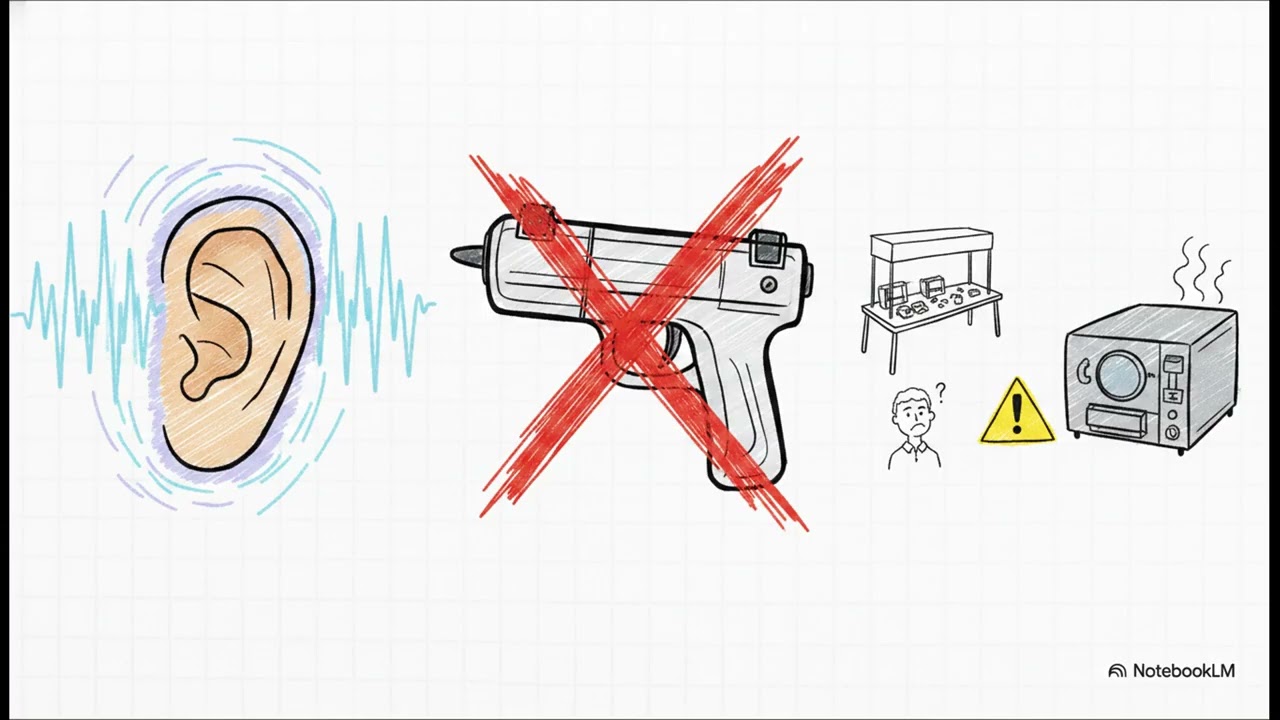 ▶
▶Ink, Needles, and Blood Banks: The Real Story Behind “Tattooed People Can’t Donate”
Why blood donation rules are suddenly all over tattoo TikTok. Most modern tattoos in licensed studios don’t block blood donation at all; unregulated setups and reusable piercing guns are what trigger deferrals.
2026-06-03
Read Journal → ▶
▶The Texas tattoo ban scare was the viral story, and it was pure misinformation
Why a fake “tattoos will be illegal” rumor spread so fast, and what studios should say before clients panic. The biggest tattoo news in two weeks was a false Texas ban rumor that trended statewide, proving misinformation can outrun tattoo science.
2026-06-02
Read Journal → ▶
▶When AI Gives You a Tattoo: Why the Viral “Robot Tattoo” Trend Isn’t Ready for Human Skin
Automatic tattoo robots are going viral, but your epidermis is not a beta test environment. A tattoo robot with perfect XY precision but no real-time depth feedback just delivers the same mistake to every square millimeter of your client’s skin.
2026-06-01
Read Journal → ▶
▶When TikTok Thinks a Piercing Is “Rejecting”, And It’s Just Bad Jewelry
Viral “piercing gone wrong” videos are mostly a materials problem, not a mystery immune reaction. Most so-called “rejections” vanish when studios stop using curved rings and thin gauges in flats and switch to stable, low-lever-arm bars with verified materials.
2026-05-31
Read Journal → ▶
▶The Viral “Glow-In-The-Dark Tattoo” Trend Is Back, And It’s Still A Terrible Idea
Why TikTok’s neon UV ink tattoos are blowing up again, and what artists really need to know before they touch this trend. If you can’t get a full ingredient trail and toxicology profile for a UV ink, it’s not a “glow tattoo”, it’s an uncontrolled human experiment.
2026-05-30
Read Journal → ▶
▶“Magic Ink” Tattoos That Appear and Disappear: Engineering Reality vs Viral Fantasy
Why “activating” tattoos are blowing up your feed, and what the chemistry really says. If you’re offering “magic ink” tattoos, your clients are effectively long-term test subjects in an uncontrolled pigment and UV exposure experiment.
2026-05-28
Read Journal → ▶
▶When “Blackout” Really Means Black Chemistry: Machine Gun Kelly’s Viral Torso Tattoo
MGK’s full-torso blackout is going viral – but the real story is ink load, laser regret, and what 44 needles actually do to a chest. A full blackout torso can require 80–150 ml of carbon black ink, turning future laser removal and MRI scans into complex engineering problems, not aesthetic tweaks.
2026-05-26
Read Journal → ▶
▶When a Tattoo Turns into Sepsis
The real lesson from the viral Phoenix tattoo hospitalization: hygiene failures can become surgical emergencies. A social-media-famous artist is not a safety system: one infected tattoo can escalate into sepsis and emergency surgery fast.
2026-05-21
Read Journal → ▶
▶TikTok’s DIY Piercing Fails Are Back, And Worse
Why Social Media Piercing Trends Are Failing Gen Z (And How Pros Should Fight Back). Reusing a piercing needle can jump the bacterial load from essentially zero to well over 100,000 CFU, turning the second puncture into a statistically high-risk infection event even if “it looks clean.”
2026-05-17
Read Journal → ▶
▶Medical Elastomers and the Chemistry Divide: Why BioFlex® and TPU Are Not Interchangeable
BioFlex® is a polypropylene random copolymer (PP-R), not TPU; online sources misidentify it routinely, but the chemistry difference affects sterilisation compatibility, migration risk, and tissue response in fresh piercings.
2026-05-10
Read Journal → ▶
▶Titanium-Tantalum Binary Alloys: Why 2026 Marks a Metallurgical Inflection Point for Implant-Grade Body Jewelry
Titanium-tantalum binary alloys, validated in a March 2026 *Bioactive Materials* study, demonstrate 50–67% lower metal ion elution and 22–34% faster osteoblast adhesion compared to ASTM F136, while eliminating aluminum and vanadium—common sensitization triggers in traditional implant-grade jewelry. Though Ti-Ta remains supply-constrained and 3–4× more expensive than ASTM F136 through mid-2026, recent FDA 510(k) equivalence designations and EU MDR updates position Ti-Ta as the next regulatory standard for institutional and clinical piercing settings, making material traceability and biocompatibility certification the new professional baseline.
2026-05-03
Read Journal → ▶
▶AI Tattoos Invade the Shop Floor: Hype or Hardware Revolution?
AI tattoos explode on Reddit/TikTok: artists gain speed but risk 25% regrets from physics-blind designs. Patrick Poli breaks engineering fixes for viable ink.
2026-05-03
Read Journal → ▶
▶TikTok's Viral 'Worst Tattoo Artist' Saga: When Amateur Ink Meets Zero Engineering
TikTok's "worst tattoo artist" Ariel goes viral for blowout disasters—Patrick Poli breaks down the needle depth, ink physics, and voltage fixes pros use to avoid her fate. Engineering truths save skins and reps.
2026-05-03
Read Journal → ▶
▶Body Art Alliance Sale Signals Consolidation Wave in Tattoo Supply Chain
Body Art Alliance's $1B sale process threatens 10-20% price hikes for tattoo supplies; Japan's tattoo crackdown bans traditional ink ops, redirecting demand to certified titanium/niobium. Studio owners: Lock contracts now, stock ppm-compliant jewelry to hedge volatility.
2026-05-03
Read Journal → ▶
▶Initial Piercings and the Right Material: A Nuanced Guide from the Creator of BioFlex
BioFlex PP-R offers specific mechanical advantages for initial piercings, flexibility reduces leverage pressure on the healing channel. But the fastest-healing piercing is one performed and cared for correctly, not one done with any single prescribed material. Here's what 25 years of watching piercings heal has taught the man who invented BioFlex.
2026-04-27
Read Journal → ▶
▶BioFlex vs PTFE: Why PP-R Random Copolymer Wins Every Time
PTFE and BioFlex PP-R are both used as non-metal body jewellery, but they are fundamentally different polymers with different processing constraints. PTFE cannot be injection-moulded. It must be extruded as rod. Decorative ends threaded onto PTFE rod rotate freely in wear, facing the wrong direction within days. BioFlex is injection-moulded as a single piece: no rotation axis, no misaligned crystals, no orientation problem.
2026-04-26
Read Journal → ▶
▶Why Metal Piercing Jewelry Fails Athletes, And Why BioFlex Doesn't
Metal piercing jewellery creates a rigid lever at the piercing site. Under impact, a tackle, a fall, a helmet edge, that lever transmits force directly to the tissue. BioFlex PP-R flexes under impact. For rugby nipple piercings, navel bars in grappling sports, helix piercings under helmets, and chlorinated pool swimming, BioFlex is not just preferable, it is the right engineering answer.
2026-04-25
Read Journal → ▶
▶How to Hide a Piercing at School, Work, or Hospital: The BioFlex Hide-It Solution
Schools, workplaces, and hospitals have policies. Piercings, especially fresh ones, cannot always be removed on demand. The BioFlex Hide-It range was built to bridge that gap: flesh-toned and transparent retainers in five colour variants that make piercings genuinely invisible at conversational distance, maintain the piercing channel, and in some surgical settings can stay in place entirely.
2026-04-24
Read Journal → ▶
▶Pregnancy and Piercings: Why Rigid Metal Bars Are the Wrong Choice
A navel piercing does not need to be removed during pregnancy, but the jewelry must change. Rigid metal bars create mechanical leverage against expanding tissue, causing migration and rejection. BioFlex PP-R bars are trimable, flexible, and certified to implant-grade standards, the only correct material choice for the full nine months.
2026-04-23
Read Journal → ▶
▶The Dental Bill Your Metal Jewelry Is Running Up Right Now
Metal oral jewelry, tongue bars, labrets, lip rings, causes measurable enamel erosion and gum recession in a significant proportion of long-term wearers. The mechanism is simple: a material harder than tooth enamel pressed repeatedly against it. BioFlex PP-R is softer than enamel, flexible on impact, and certified to ISO 10993-6. The dental damage mechanism is eliminated without removing the piercing.
2026-04-22
Read Journal → ▶
▶Viral TikTok Piercing Fail: "Snake Eyes" Horror Sparks 50M Views – Here's the Implant Science Studios Ignore
Viral TikTok snake eyes piercing fail exposes 60% migration risks from ignored shear forces – Patrick Poli reveals Ti-23 barbs and BioFlex® fixes for safe oral mods. Engineering truth crushes trends with data-backed alternatives. (138 chars)
2026-04-22
Read Journal → ▶
▶Your Piercing and Your MRI: Why BioFlex Is the Only Safe Choice
Every major MRI safety protocol requires metal jewelry removal before scanning. BioFlex PP-R is non-ferromagnetic, non-conductive, and fully radiolucent, it is invisible to MRI, X-ray, and ultrasound. Patients with unhealed piercings, cartilage placements, or tunnel-grade jewelry have exactly one certified implant-grade polymer option that requires no removal: BioFlex.
2026-04-21
Read Journal → ▶
▶Pigment Photophysics: Why Yellows and Pastels Fade Fastest in Tattoos
Clinical physics of tattooing and piercing by Patrick Poli.
2026-04-16
Read Journal → ▶
▶Beyond PHA: Hydrogels, Nanocomposites, and Programmable Polymers Entering Body Jewelry Supply Chains in 2026
Polymer science and flexible body jewelry materials by Patrick Poli.
2026-04-14
Read Journal → ▶
▶The 2026 Biopolymer Boom: PHA, Shape-Memory Polymers, and What's Actually Ready for Body Art Studio Use
PHA production surges 166% by 2026 with proven biocompatibility; PP-R, shape-memory, and TPU options clarified for piercers on material chemistry and additive migration risk.
2026-04-13
Read Journal → ▶
▶Oregon Just Nuked Topical Numbing for Tattoo Artists—Here's Why It Matters and What You Need to Know Now
Oregon Health Authority bans tattoo artists from applying topical numbing agents (effective March 25, 2026), treating anesthetic administration as unlicensed medicine. Studios scrambling; two enforcement actions already issued; PMU and medical tattoo specialties hit hardest.
2026-04-13
Read Journal → ▶
▶Emerging Polymer Science for Body Jewelry: What Shape-Memory, PHA, and Next-Gen Elastomers Mean for Your Studio in 2026
Polymer science and flexible body jewelry materials by Patrick Poli.
2026-04-07
Read Journal → ▶
▶BioFlex®: Not Urethane, Not TPU – Truth From the Inventor.
The person who invented BioFlex® 25 years ago sets the record straight on chemistry, counterfeits, and why regulators wrote the rules around the wrong material entirely.
2026-04-06
Read Journal → ▶
▶The SVHC Sensitization Threshold That Changed Everything: Why Your High-Nickel Alloy Just Got Riskier
The EU's January 2026 SVHC amendment lowered the nickel release threshold for body jewelry to 0.5 µg/cm²/week, making implant-grade ASTM F136 titanium the only alloy category with blanket regulatory compliance, while 316L stainless steel and bare CoCr now require third-party ICP-MS testing or PVD coating to remain market-viable. Piercers must audit their suppliers' certifications by March 2027 or face liability under UK and EU product safety law.
2026-03-30
Read Journal → ▶
▶Kohli's Lotus Sleeve Is Everything Your Half-Thought-Out Tattoo Isn't
Virat Kohli's lotus sleeve went viral for its intentional design and spiritual symbolism, but the real story is why thoughtful placement, regulatory compliance, and sterile technique are inseparable from quality ink. As 2026 regulatory standards tighten, the gap between professional studios and unsafe operators is becoming impossible to ignore.
2026-03-29
Read Journal → ▶
▶The March 2026 Metal Sensitization Study Proves What Piercers Already Know: Implant-Grade Titanium Standards Aren't Optional, They're Essential
A new March 2026 Contact Dermatitis study confirms that women with jewelry allergy history face 6-fold higher metal sensitization risk after implantation—a finding that vindicates ASTM F136 implant-grade titanium standards and explains why 2026 compliance requirements for material traceability and batch documentation aren't administrative overhead; they're clinical necessity. With FDA MoCRA and EU REACH enforcement now mandatory and nearly 25% of market earrings exceeding nickel limits, piercers who demand mill test reports and certificates of compliance are protecting both client safety and studio liability.
2026-03-28
Read Journal → ▶
▶UK Expands SVHC Candidate List: 15 New Substances Now Under Supply Chain Scrutiny, What Body Art Professionals Must Know
UK REACH expands SVHC Candidate List to include n-hexane and bisphenol AF (BPAF), triggering immediate supply chain notification duties for body art studios importing jewelry and inks. Facilities must audit suppliers, request compliance documentation, and prepare 45-day response protocols for consumer SVHC inquiries. Non-compliance risks enforcement action and insurance denial.
2026-03-27
Read Journal →▶The Needle Grouping Paradox: Why Your Liner Configuration Doesn't Predict Trauma the Way You Think
Tattoo needle geometry affects tissue trauma and ink retention in ways that defy studio convention: tight needle groupings create localized inflammation but risk depth inconsistency, while loose groupings distribute trauma across wider dermal zones and paradoxically improve ink permanence by naturally sampling the optimal mid-dermal band. Taper angle, ink viscosity, and machine voltage interact to determine actual penetration precision; a 55–60 degree taper with higher voltage favors color work by reducing frictional drag, while steep tapers optimize black work where depth variance matters less than ink density.
2026-03-26
Read Journal → ▶
▶UK REACH Tattoo Ink Rules 2025: What Changed
The UK government's 30 December 2025 decision on tattoo ink restrictions, published 15 January 2026, formally establishes UK REACH as a regulatory framework independent of EU REACH. Studios and suppliers must now verify compliance against UK-specific thresholds and timelines; "EU REACH compliant" is no longer automatically sufficient for UK distribution. Request written UK REACH compliance confirmation from suppliers, update batch tracking systems, and prepare for potential regulatory divergence on aromatic amine limits, heavy metal thresholds, and phase-in deadlines—all of which remain under UK specification and may differ from EU standards.
2026-03-25
Read Journal → ▶
▶Nickel Sensitization at 6× Risk: The 2026 Contact Dermatitis Study That Validates ASTM F136 Standards
A new March 2026 Contact Dermatitis study confirms that women with jewelry allergy history face 6-fold higher metal sensitization risk after implantation—a finding that vindicates ASTM F136 implant-grade titanium standards and explains why 2026 compliance requirements for material traceability and batch documentation aren't administrative overhead; they're clinical necessity. With FDA MoCRA and EU REACH enforcement now mandatory and nearly 25% of market earrings exceeding nickel limits, piercers who demand mill test reports and certificates of compliance are protecting both client safety and studio liability.
2026-03-24
Read Journal → ▶
▶EU Regulation 2026/78: Silver Reclassified, CMR Restrictions Tighten, 6 Weeks to Comply
The EU's January 2026 amendment to the Cosmetics Regulation (Commission Regulation 2026/78) reclassifies silver as a reproductive toxin and restricts carcinogenic preservatives in tattoo inks and PMU formulations, effective May 1, 2026—forcing European studios to audit inventory, verify supplier CoAs, and discontinue non-compliant pigments within six weeks.
2026-03-21
Read Journal → ▶
▶CHAPPELL ROAN'S GRAMMY DRESS WASN'T BRAVE—IT WAS ENGINEERED. HERE'S WHY THAT MATTERS.
Chappell Roan's nipple-piercing dress at the 2026 Grammy Awards wasn't crude shock value—it was precision engineering. Mugler's structural design, load distribution, and medical-grade attachment systems demonstrate why boldness in body modification requires technical rigor, not just aesthetic courage. The lesson: avant-garde works when it's engineered.
2026-03-16
Read Journal → ▶
▶Biocompatible Alloy Breakthroughs: 2026 Metallurgical Review
Latest developments in medical-grade alloys for precision body art.
2026-03-13
Read Journal → ▶
▶Tattoo Needle Engineering & Dermal Pigment Dynamics: Technical Review & Innovation Brief
A technical analysis of needle-tissue biomechanics, phase-transition gallium alloys, and the cyclical nature of macrophage-mediated pigment persistence.
2026-03-11
Read Journal → ▶
▶The Bio-Mechanical Interface: Advanced Surface Engineering for Dermal Anchors
A technical review of 2026 surface engineering trends, comparing traditional mechanical polishing with Laser Surface Texturing (LST) for optimal tissue integration.
2026-03-09
Read Journal → ▶
▶Cobalt-Chrome vs. Titanium: Material Science in High-Stress Body Art
A 2025 clinical comparison between Cobalt-Chrome and ASTM F136 Titanium, focusing on fatigue resistance in high-stress piercings and orthopedic applications.
2026-03-07
Read Journal → ▶
▶The Metallurgy of Safety: Understanding Chromium Leaching in 316L Stainless Steel
An analytical comparison of nickel release rates and corrosion resistance between 316L stainless steel and ASTM F136 titanium in physiological environments.
2026-03-06
Read Journal → ▶
▶The Science of Dermal Recovery: How Needle Geometry Affects Cellular Regeneration
A clinical review of the mechanical interaction between needle taper geometry and the cutaneous response, including histological findings on pigment capture.
2026-03-04
Read Journal → ▶
▶ASTM F136 vs. Commercial Titanium: Why Aerospace ELI is the Clinical Minimum
A deep-dive technical comparison between medical-grade Ti-6Al-4V ELI (ASTM F136) and standard industrial Grade 5 titanium, revealing the microscopic differences that dictate clinical success.
2026-03-02
Read Journal → ▶
▶MIM Structural Integrity: Meeting Aerospace Benchmarks in Body Jewelry
An analytical review of how Metal Injection Moulding eliminates microscopic structural voids compared to traditional casting methods.
2026-02-28
Read Journal →