 Cover story
Fixing It Takes More Than Ink
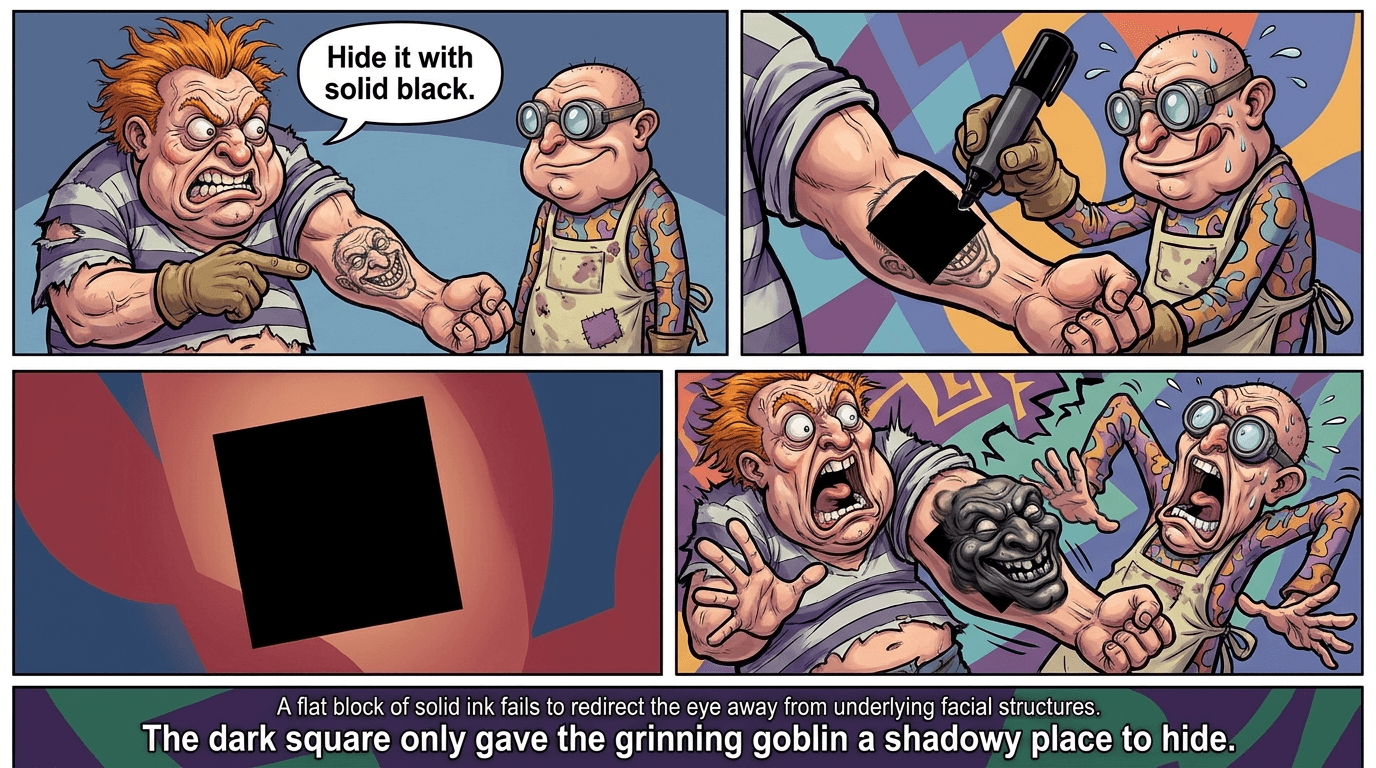
The viral facial tattoo cover-up is a useful reminder that the hard part is not the needle. It is the pigment already in the skin, the trauma that skin has been through, and the design planning needed to hide something without making it worse. Because of that, staged correction looks like the safer approach to me, which means patience has to be part of the price and the plan.
This connects to the Chiang Mai Tattoo Time guide, which tells visitors to check the booth before they look at the flash. Single-use needles, sealed ink, clean booth routines and safe aftercare matter before the first line goes in, because skin that starts out irritated is harder to correct later. Good prevention is quieter than a dramatic cover-up, but it is far cheaper for the client.
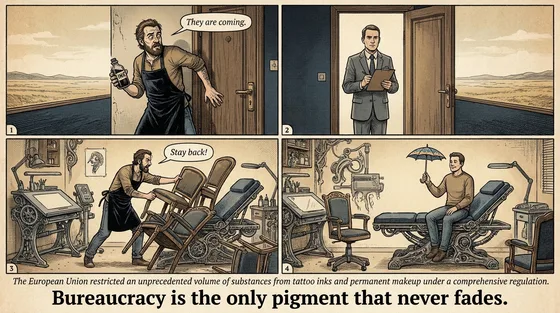
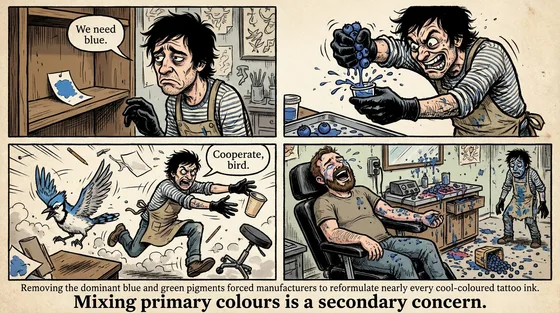
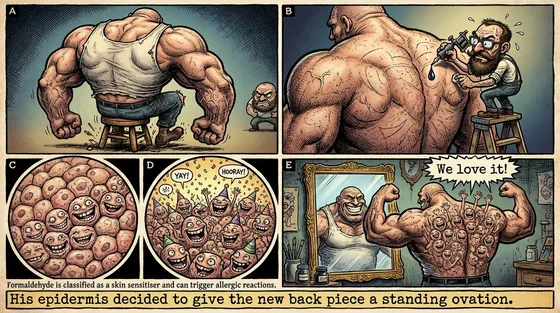
The same logic applies to materials and paperwork. Luxembourg notified six Safety Gate alerts against body jewelry, with nickel release up to 26 times the limit and cadmium far above its limit, and the EU ink rules still depend on batch-level evidence rather than old documents or generic claims. Studios should ask suppliers for current proof, because avoiding the problem is better than correcting it.



 Regulation
 Thailand
 Regulation
 Science