 Cover story
Korea asks the studios before it licenses them. Answer.
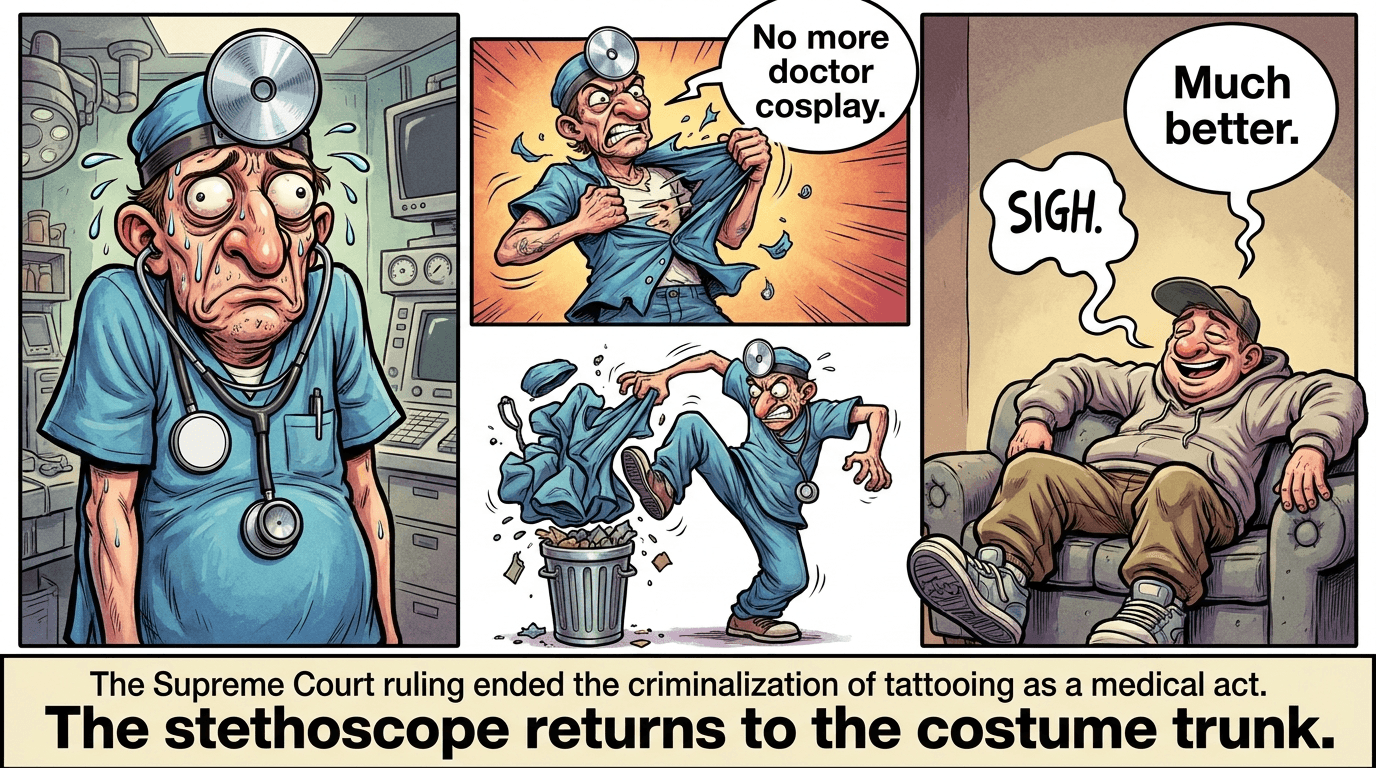
For 34 years, tattooing in South Korea was legally a medical act, so a tattooist who was not a doctor worked outside the law. The Supreme Court ended that in June 2026. Now the Ministry of Health and Welfare is doing something I wish more governments did: before it writes the licensing rules, it asks the studios. Its online survey runs from 22 October to 22 November, and the Tattooist Act takes effect on 29 October 2027.
For the people who do the work, this is the moment to be counted. The questions are about the real job: when the shop opened, how many procedures it does, which materials it uses, how needles and waste are thrown away, how the autoclave is used and recorded. The answers will shape the hygiene rules every Korean tattooist will have to follow. If studios stay silent, the rules will be written about them, not with them.
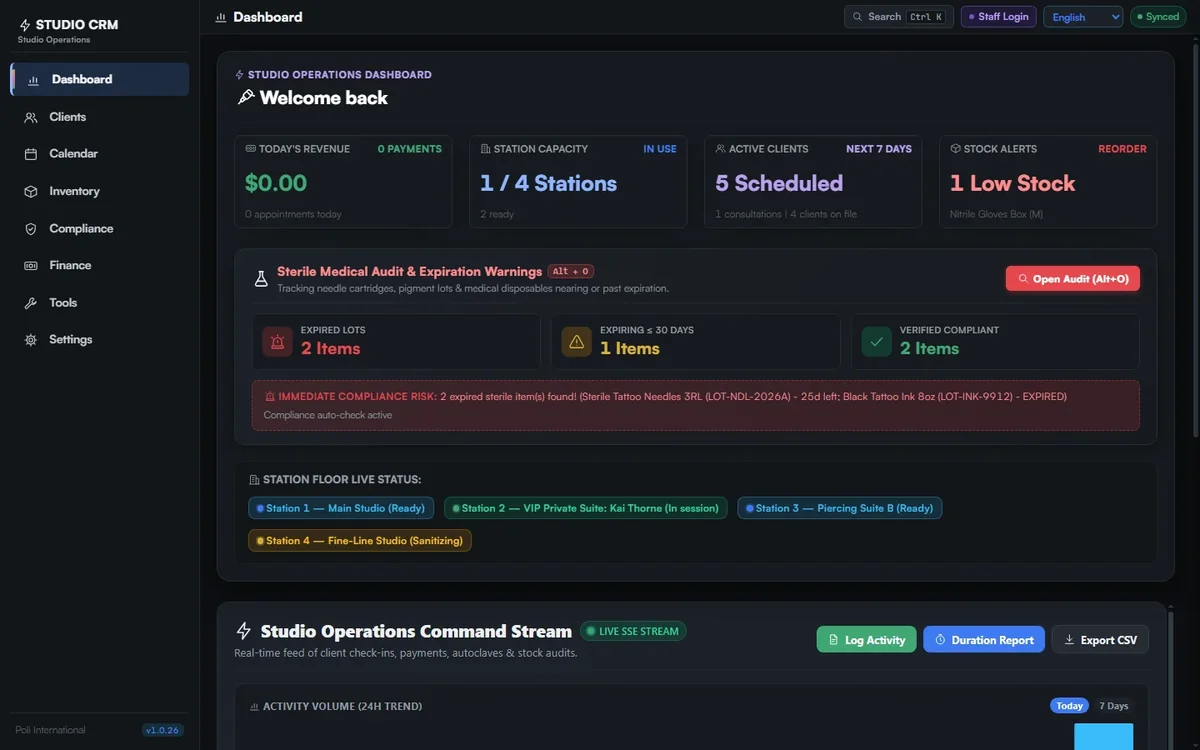
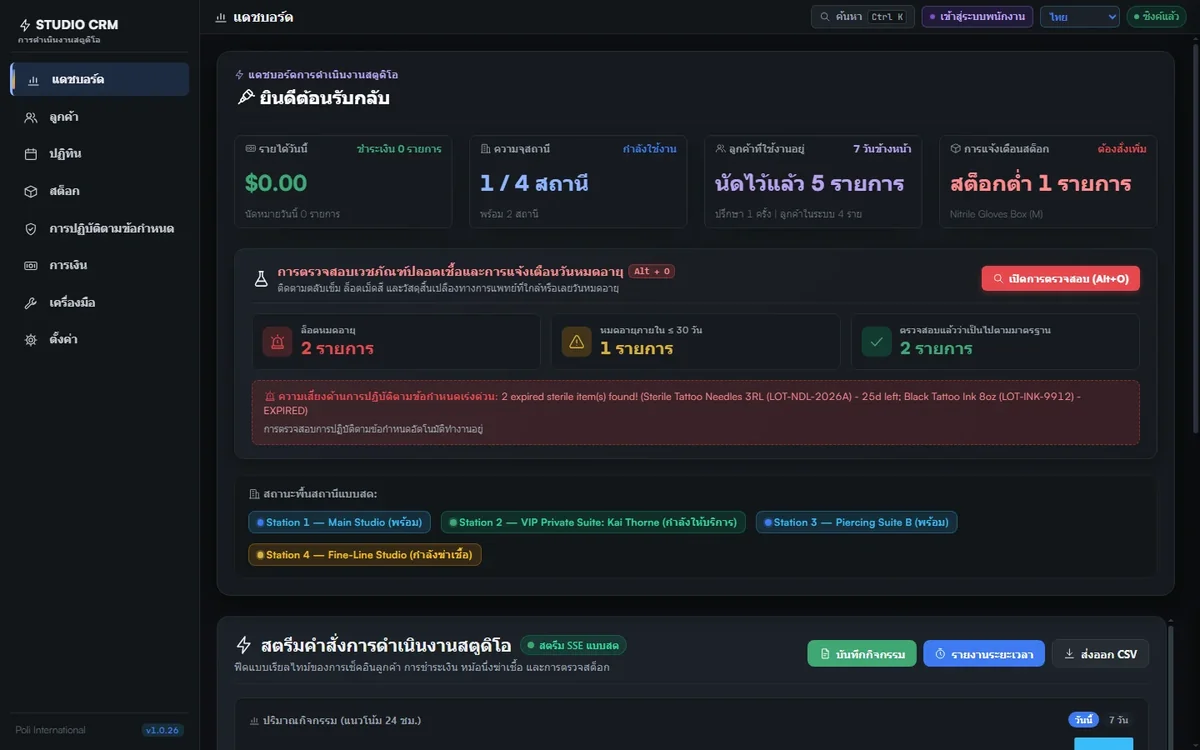
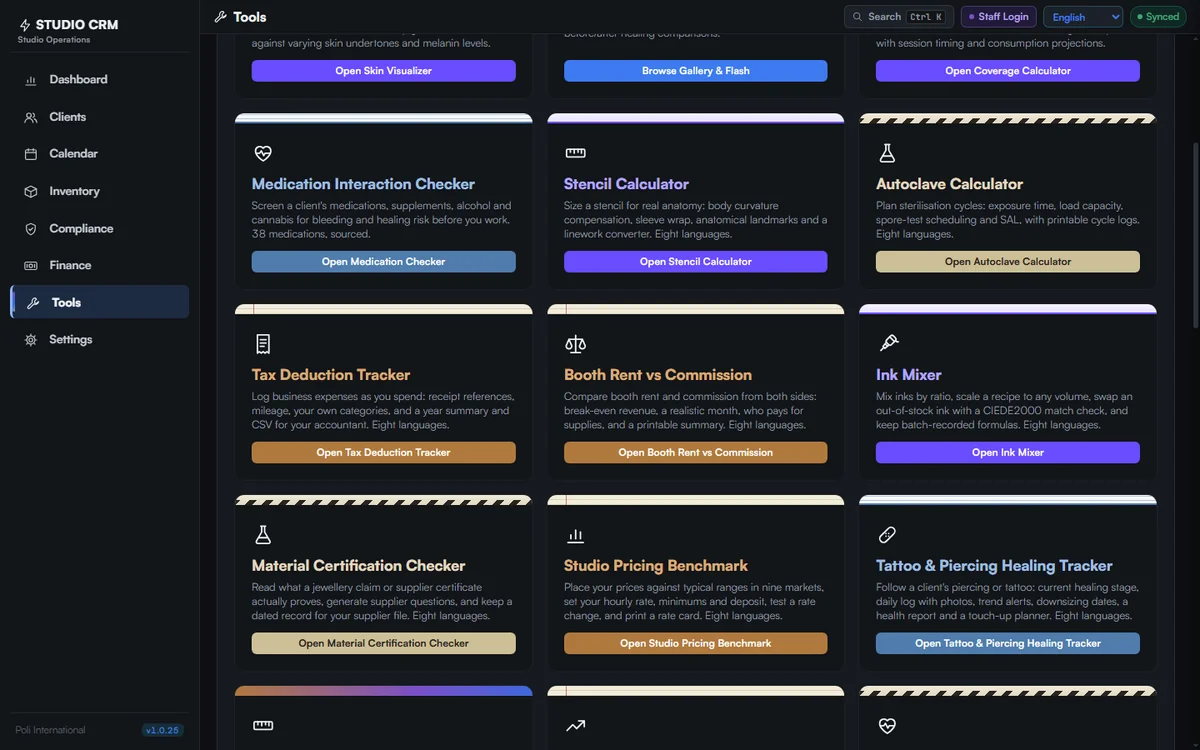
If you work in Korea, answer the survey before 22 November, and read the Standard Guidelines for Tattoo Procedures published on 30 July. Wherever you work, start keeping written records today: every autoclave cycle, every spore test, every sharps container. An inspector trusts what is written down. Our free Studio CRM has an autoclave log and an end-of-day sanitization checklist if you need a place to keep them.
 Viral
 Viral
 Viral
 Regulation